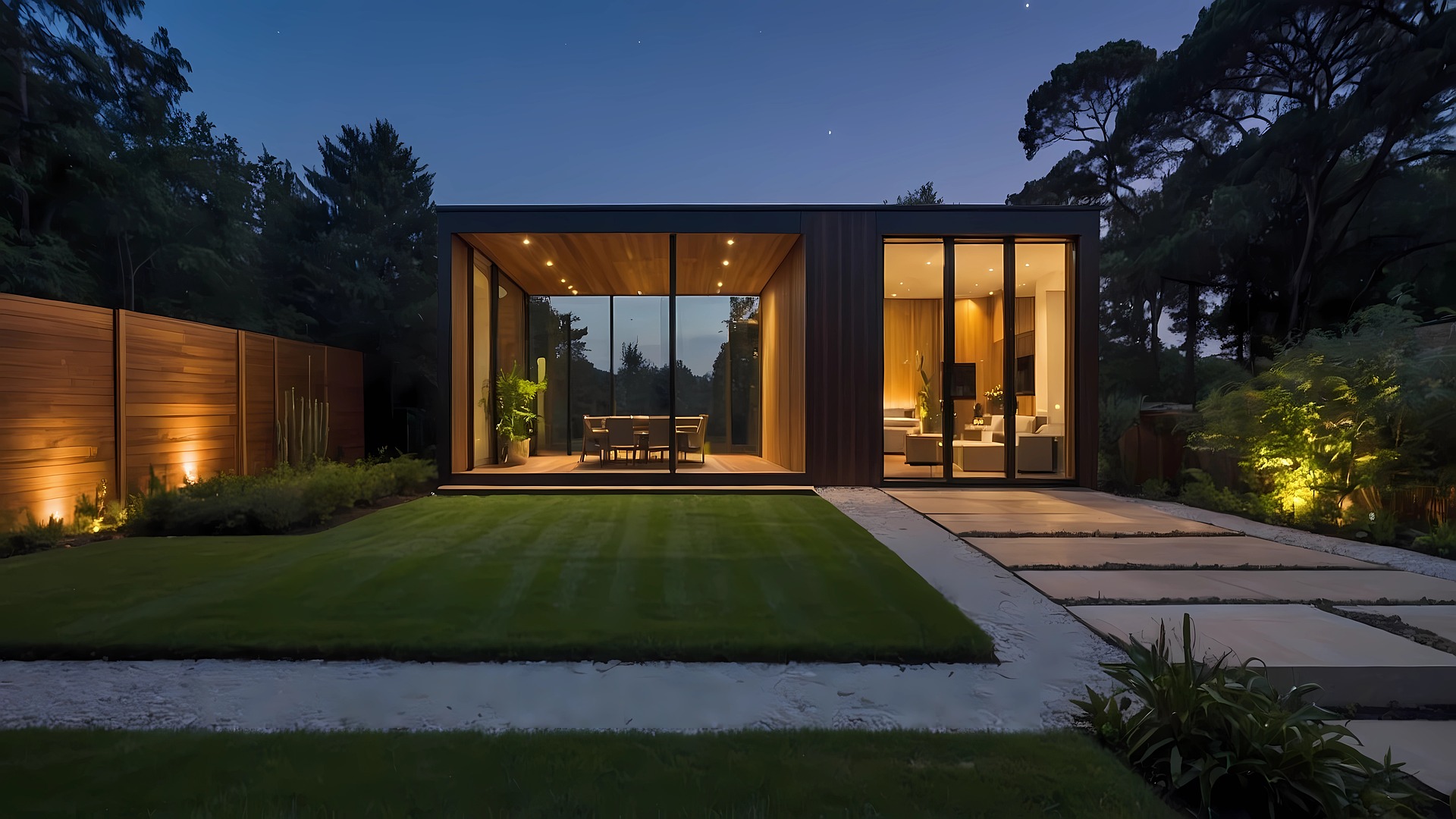
Modular homes are becoming one of the fastest-growing housing solutions in Australia. With rising construction costs, labour shortages and long building timelines, many Australians are now exploring modular and prefabricated homes as a faster and more efficient way to build.
However, financing a modular home in Australia can be different from financing a traditional house build.
Many lenders still assess modular construction differently, which means understanding how modular home loans and construction finance work is essential before you begin your build journey.
In this guide, we explain:
how modular home finance works in Australia
which lenders finance modular homes
how construction loans apply to modular builds
what deposit you may need
common mistakes to avoid
If you’re considering building a modular home, this guide will help you understand how to structure your finance correctly from the beginning.
What Is a Modular Home?
A modular home is a property that is built in sections (modules) in a factory and then transported to the building site for installation.
Once the modules arrive on site, they are assembled and fixed to permanent foundations to create a completed home.
Modular homes are often confused with other building types, but there are key differences.
Modular homes
Built in factory-controlled environments
Delivered in completed sections
Installed on permanent foundations
Treated as real property once installed
Prefabricated homes
A broader category that includes modular homes, panellised builds and kit homes.
Kit homes
Homes supplied as building materials that are assembled on site.
Traditional construction
Built entirely on site through staged construction.
Modern modular homes are designed to meet Australian building standards and council regulations, and in many cases they are indistinguishable from traditional homes once completed.
Because of this, demand for modular home financing in Australia has grown significantly in recent years.
Can You Get finance for a Modular Home in Australia?
Yes — you can get a home loan for a modular home in Australia, but lenders often assess these projects differently from standard construction builds.
Many lenders require additional documentation to ensure the property meets lending and valuation criteria.
Key factors lenders typically assess include:
the builder’s experience and licensing
fixed price building contracts
council approvals and permits
transportation and installation arrangements
valuation of the completed property
Some lenders are very comfortable with modular home loans, while others may have stricter policies depending on the build structure.
Because of this, working with a broker who understands construction loans for modular homes can help ensure the project is structured correctly from the beginning.
How Modular Home Construction Loans Work
Financing a modular home usually involves a construction loan, similar to financing a traditional build.
However, the drawdown stages may differ slightly depending on the builder’s process.
Here is how the process typically works.
1. Pre-approval
Before purchasing land or signing a building contract, many buyers obtain home loan pre-approval.
This helps determine borrowing capacity and ensures the project is financially viable.
2. Land purchase
If the land has not yet been purchased, the loan may include finance for both land and construction.
3. Building contract
A fixed price building contract is usually required for modular home finance.
The contract should outline:
manufacturing costs
transport costs
installation costs
completion stages
4. Formal loan approval
Once you have a build contract, we can request an ‘As if’ complete valuation to assess lending margins. Once this documentation is reviewed, the lender issues formal approval for the construction loan.
5. Council approvals
Council approval and building permits must be in place before progress payments can commence.
6. Progress payments
Construction loans are typically released in stages. This is not the same for all lenders and will be reviewed based a a few factors. eg. value of land and build contract and specific lender.
For modular builds, these stages may include:
factory construction stage
completion of modules
delivery to site
installation and connection
final completion
7. Final inspection
Once the home is installed and connected to services, the lender performs a final inspection before the loan converts to a standard home loan.
Understanding these stages is important when structuring modular home construction finance.
Which Banks Finance Modular Homes?
Many Australian lenders will finance modular homes, but their policies can vary significantly.
Some lenders treat modular construction similar to standard residential construction, while others require additional assessment.
Lenders typically consider factors such as:
the reputation of the modular builder
compliance with Australian building codes
fixed price contracts
valuation of the completed home
Over the past decade, modular housing has gained more recognition from lenders as the quality and demand for these homes has increased.
However, navigating which banks lend on modular homes can still be complex, particularly for first-time buyers.
Working with a broker familiar with lender policies can help identify the most suitable lenders for each project.
How Much Deposit Do You Need for a Modular Home Loan?
The deposit required for a modular home loan depends on several factors, including:
lender policy
property location
borrower financial position
eligibility for government schemes
In many cases, borrowers may be able to secure finance with:
5% deposit using government guarantee schemes
10% deposit with lender mortgage insurance
20% deposit to avoid mortgage insurance
For first home buyers, government initiatives such as the First Home Guarantee Scheme may help reduce the deposit required.
However, each project is assessed individually and modular builds may require careful structuring to meet lender requirements.
Common Mistakes When Financing Modular Homes
Financing modular homes can be straightforward when structured correctly. However, there are some common mistakes that can delay or complicate approvals.
Choosing a builder unfamiliar with lender requirements
Builders who regularly work with lenders and brokers tend to have documentation structured correctly for finance approval. In some cases, the payment process offered by the lender may not suit the builders needs or policy. It important to discuss how they require finance and if they have flexibility to adjust.
Incomplete building contracts
Lenders require clear contracts outlining the scope of works, costs and completion stages. Including connection to services, such as electricity, water and sewage.
Incorrect progress payment schedules
Progress payment structures must align with lender construction loan policies. Depending on which lender you choose, the progress schedule will need to be adjusted as per the lenders requirements.
Land settlement timing issues
Purchasing land before construction finance is organised can sometimes create timing challenges. You can however, purchase the land first and have a pre-approval loan in place, ready for when the building contract is ready.
Working with a broker unfamiliar with modular construction
Because modular housing involves different documentation and construction processes, working with someone who understands these structures can help ensure the project runs smoothly.
Why Modular Finance Often Requires Specialist Advice
Modular housing is one of the most exciting innovations in Australian residential construction, but the finance side of the process can still be evolving.
Because modular homes combine elements of factory manufacturing and traditional construction, lenders may assess projects differently depending on the builder, location and contract structure.
Having a clear understanding of lender policy, builder documentation and construction stages can help ensure approvals are obtained efficiently.
As modular housing continues to grow in popularity across Australia, finance pathways are becoming more streamlined, making this building method increasingly accessible to home buyers.
The Future of Modular Housing in Australia
Australia is facing significant housing supply challenges, and modular construction is increasingly being recognised as part of the solution.
Modular homes can offer:
faster build times
reduced construction waste
improved cost control
high-quality factory manufacturing
- access to housing for remote areas in Australia
As demand grows, lenders are also becoming more familiar with modular home finance, which is helping improve accessibility for buyers.
For many Australians, modular housing represents a practical and innovative pathway to home ownership.
Thinking About Building a Modular Home?
Building a modular home can be an exciting opportunity, but ensuring the finance structure is set up correctly from the start is essential.
Understanding how modular home loans, construction finance and lender policies work in Australia, can help prevent delays and ensure a smooth building journey.
If you’re considering a modular home project and would like guidance on how to structure your finance, working with a broker experienced in modular construction can make the process far simpler.
Teressa Fisk is a Sunshine Coast mortgage broker and director of Your Finance Broker. With more than 20 years of experience in banking and lending, she is known for her work helping lenders and builders navigate modular construction finance in Australia.
Frequently Asked Questions
Can you get a mortgage for a modular home in Australia?
Yes. Many Australian lenders provide home loans for modular homes, although requirements can differ depending on the builder, contract structure and property location.
Are modular homes harder to finance?
Not necessarily. However, lenders may require additional documentation to ensure the property meets standard residential lending requirements.
What deposit do you need for a modular home?
Depending on the lender and eligibility for government schemes, deposits can range from around 5% to 20%.
Which banks finance modular homes?
Many Australian lenders now finance modular homes, particularly when the builder and construction contract meet standard lending requirements.
Prefer to listen?
I also cover this topic on the Your Finance Lounge Podcast.
🎧 Watch: How to Reduce the Interest You Pay on Your Home Loan